
Stays where you put it
The strands knit into a mat that resists sustained winds above 50 mph and gusts beyond 80 mph — without crimping, stapling or tackifier.
Long, milled wood strands lock together into a durable cover that shields bare ground from wind and rain, keeps moisture in the soil and gives native seed the shelter it needs to establish — with no seeds, no chemicals and no netting left behind.
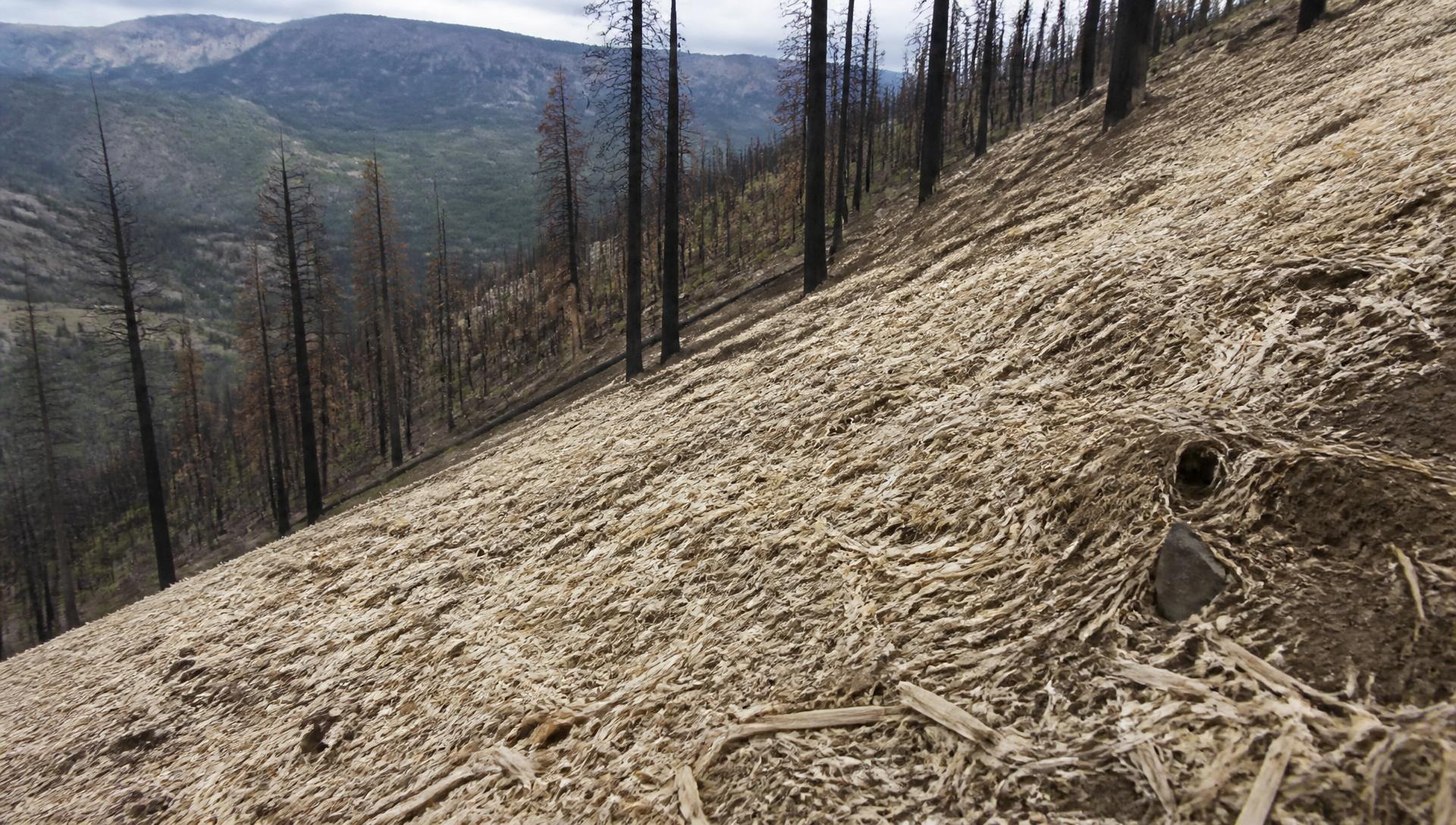
Our material has been applied on federal, state, county and industry restoration projects across the Rocky Mountain West.
Wood strands are cut to a controlled length and thickness so they interlock on contact with the ground. The result behaves very differently from loose chips, agricultural straw or sprayed hydromulch.
The strands knit into a mat that resists sustained winds above 50 mph and gusts beyond 80 mph — without crimping, stapling or tackifier.
Milled wood only. No weed seed, no chemical additives, no runoff to manage and no plastic netting to remove or entangle wildlife.
Protection measured in years rather than a single season, decomposing slowly and adding organic matter back into the soil profile.
Apply by hand, straw blower or helicopter — over snow, on frozen ground and in wind that would stop most other treatments.
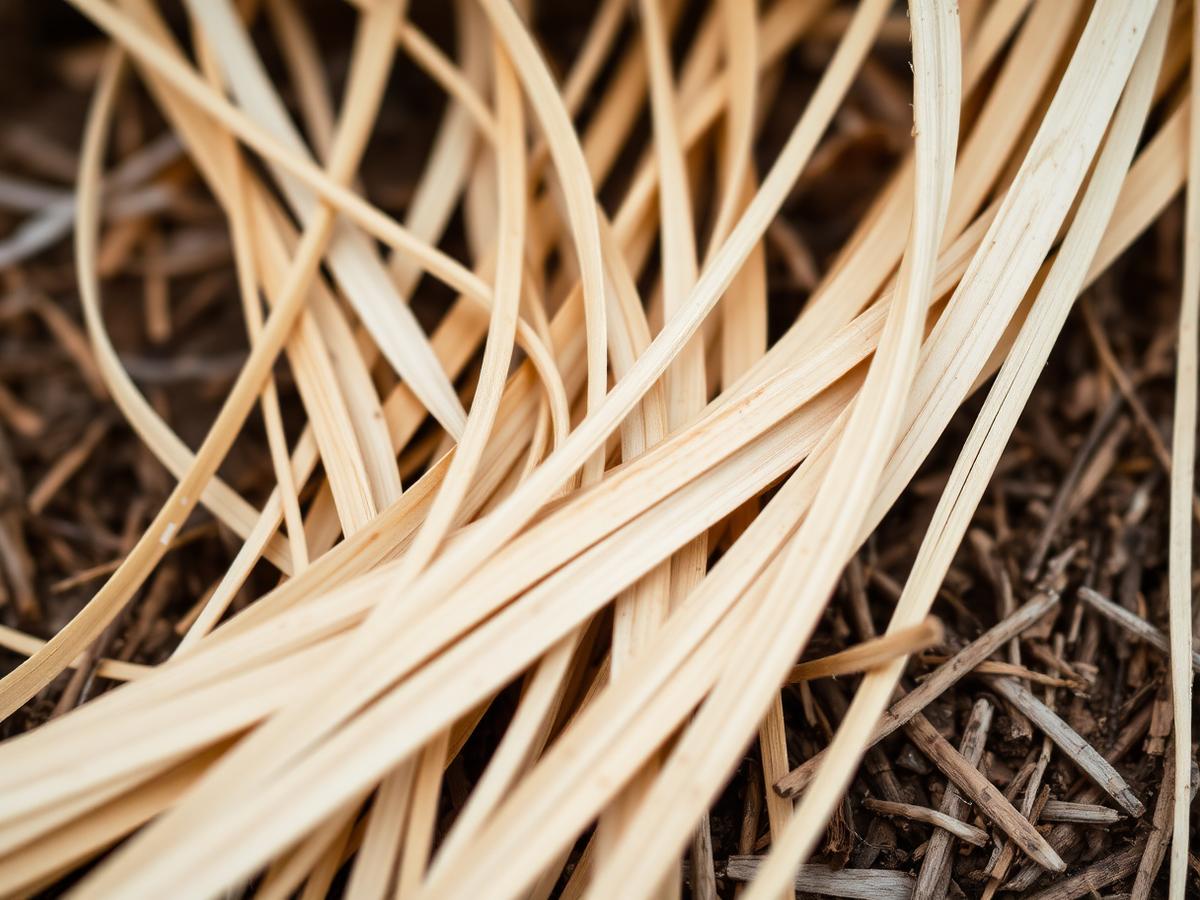
The product is manufactured from clean wood, cut into long flat strands with a consistent geometry. That geometry is what makes it work: length gives the strands something to bridge across, and the flat face keeps them in contact with the soil surface rather than rolling downhill.
The cover works without supplemental water, which matters on remote sites where hauling water is the largest line item.
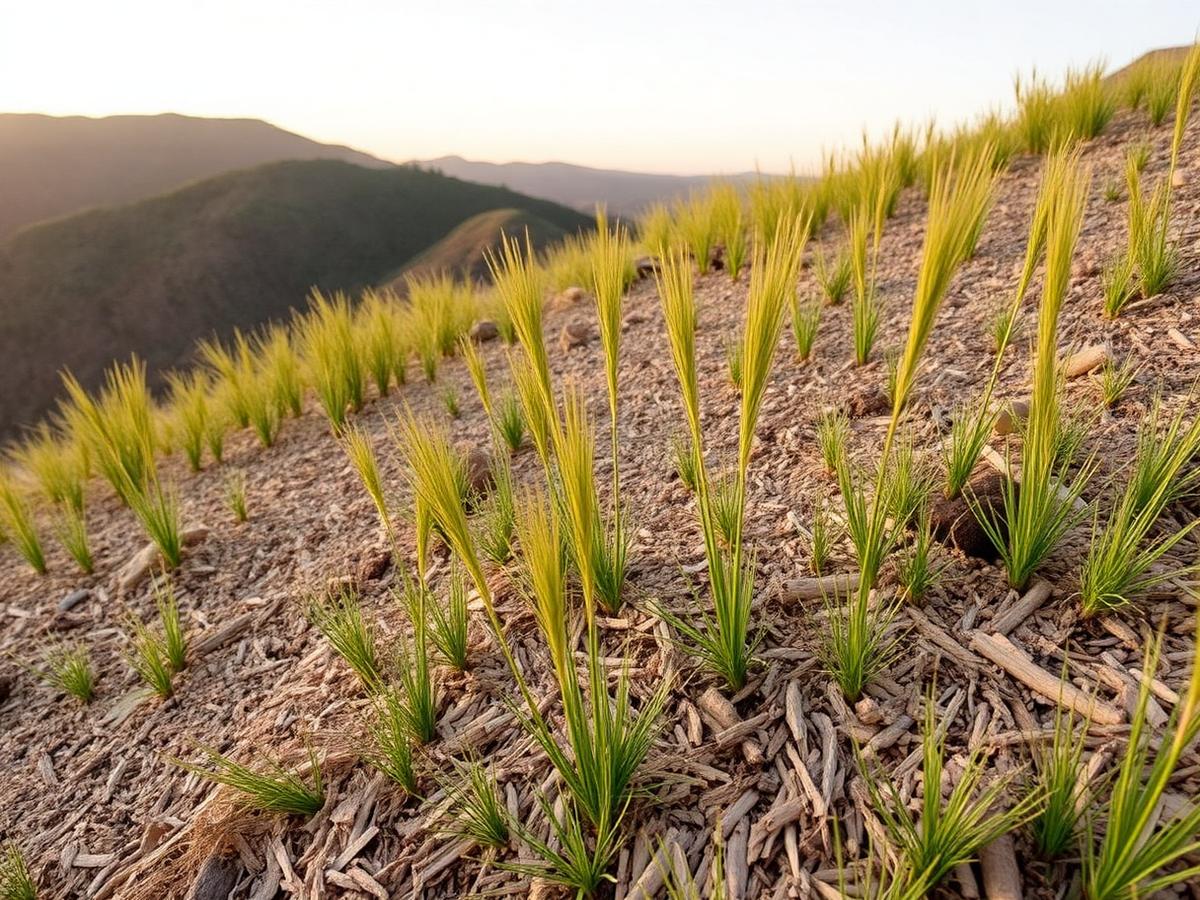
Broadcast, hydro or drill seed above or below the mulch. The strand layer shelters seedlings and reduces seed predation and grazing damage.
Crews can walk and drive on treated ground, so the mulch does not dictate the rest of your construction sequence.
We review slope, soil texture, access and the erosion risk you are managing, then recommend a cover rate for the conditions.
Hand crews, straw blowers, bale processors or helicopter drops — the method is chosen around access, acreage and the work window.
Material is baled for efficient transport and handling, and can go down over snow, on frozen ground or in windy conditions.
The mat holds soil and moisture while seed establishes, then breaks down slowly into organic material that feeds the soil.
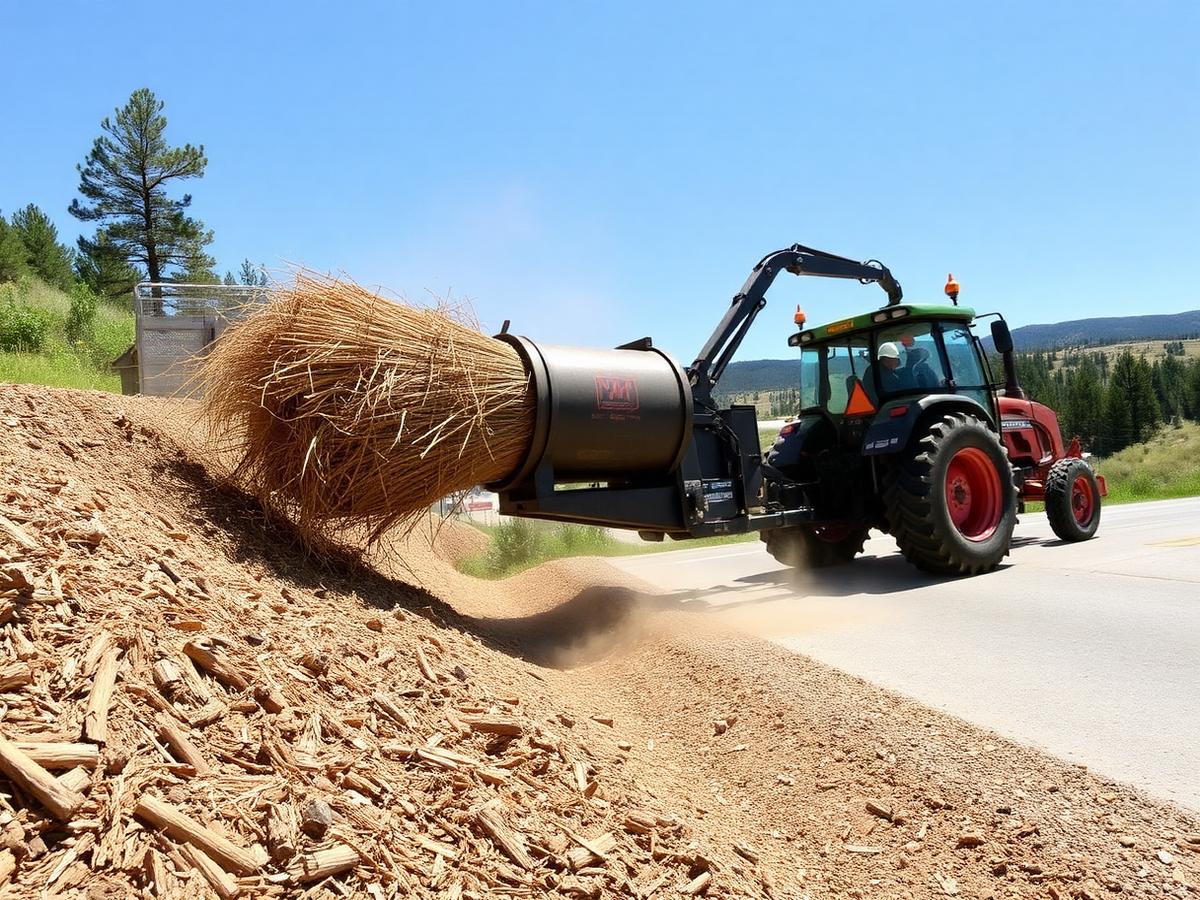
Cut and fill slopes along mountain highways and county roads, where wind, freeze-thaw and steep grades defeat lighter covers.
Well pads, topsoil stockpiles and pipeline corridors needing dependable stormwater and dust control during and after construction.
Hillslopes above streams and infrastructure, treated to reduce post-fire runoff and sediment delivery while native plants return.
Share the acreage, slope and timing and we will come back with a cover rate, quantity and delivered price.
Get quantities and lead times before your window opens.